

 Tiếng Việt
Bun Nuoc Leo Soc Trang – Fermented Fish Broth, Fish and Fresh Herbs
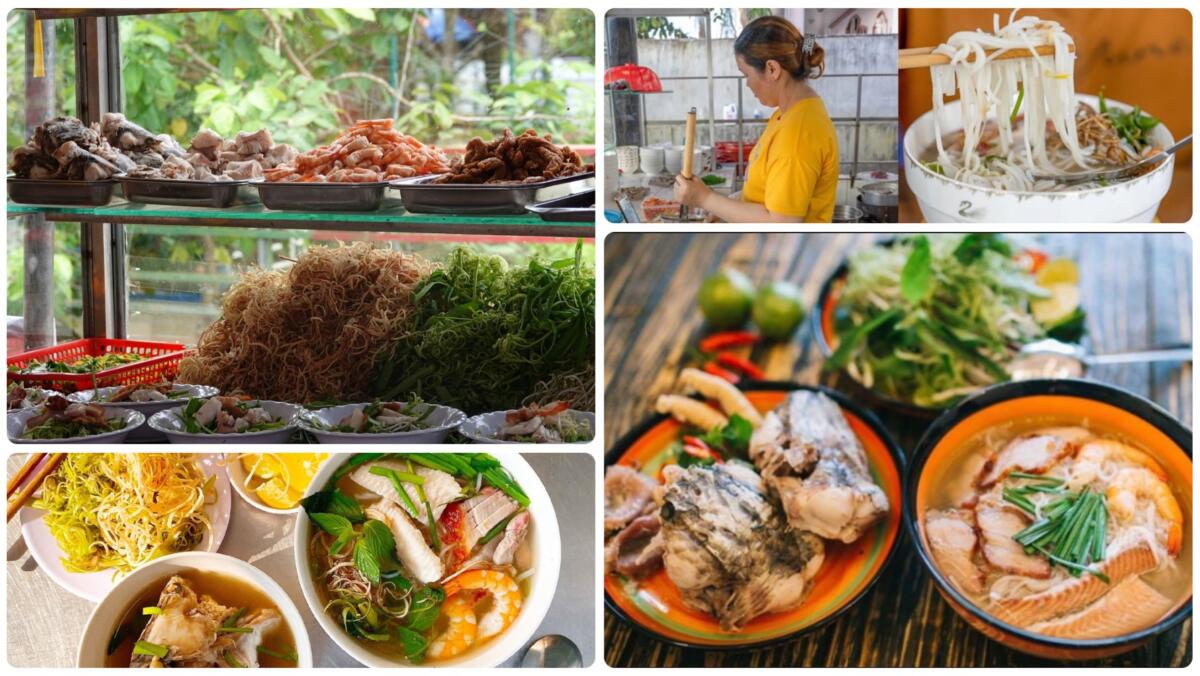
Bún nước lèo Sóc Trăng is a rice noodle soup closely associated with the food culture of Soc Trang and strongly influenced by Khmer culinary traditions in southern Vietnam. Its broth is built around fermented fish, aromatic seasonings and fish, then served with rice noodles and fresh vegetables.
A bowl can look relatively simple, but the flavor comes from several layers: the aroma of the broth, the fish, optional toppings and the freshness and crunch of the vegetables served alongside it.
What Is Bun Nuoc Leo Soc Trang?
One of the defining features of the dish is its broth made with fermented fish. In Khmer culinary traditions of southern Vietnam, mắm bò hóc — a fermented fish condiment — has an important place and is closely connected with noodle soups in this broader food tradition.
As the dish became more widely enjoyed in the region, cooking methods and toppings developed in different ways. For that reason, not every bowl of bún nước lèo in Soc Trang contains exactly the same ingredients.
How Does the Broth Develop Its Flavor?
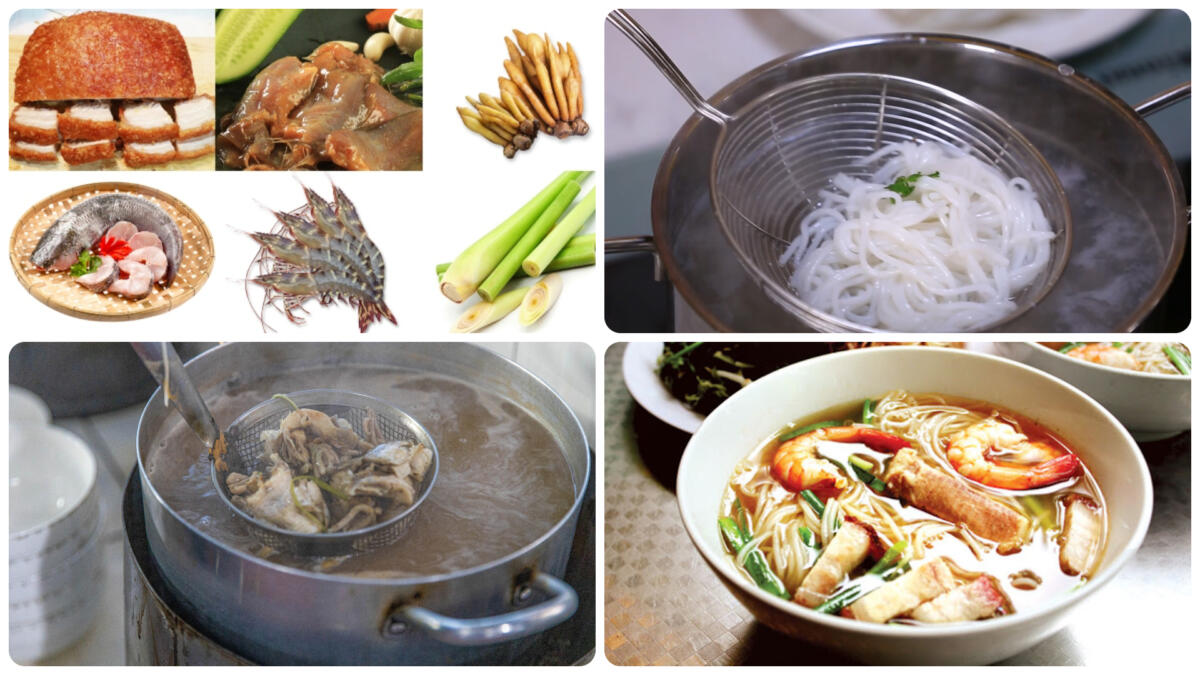
Fermented fish is cooked with water to create the base flavor. The broth is then developed further with aromatic ingredients. In preparations influenced by Khmer cooking, lemongrass and turmeric commonly appear alongside the fermented fish.
Some local versions also use additional aromatics or seasonings to create their own balance. This is another reason bún nước lèo is better understood as a regional food tradition rather than a single fixed recipe.
Khmer Roots and Culinary Exchange in Soc Trang
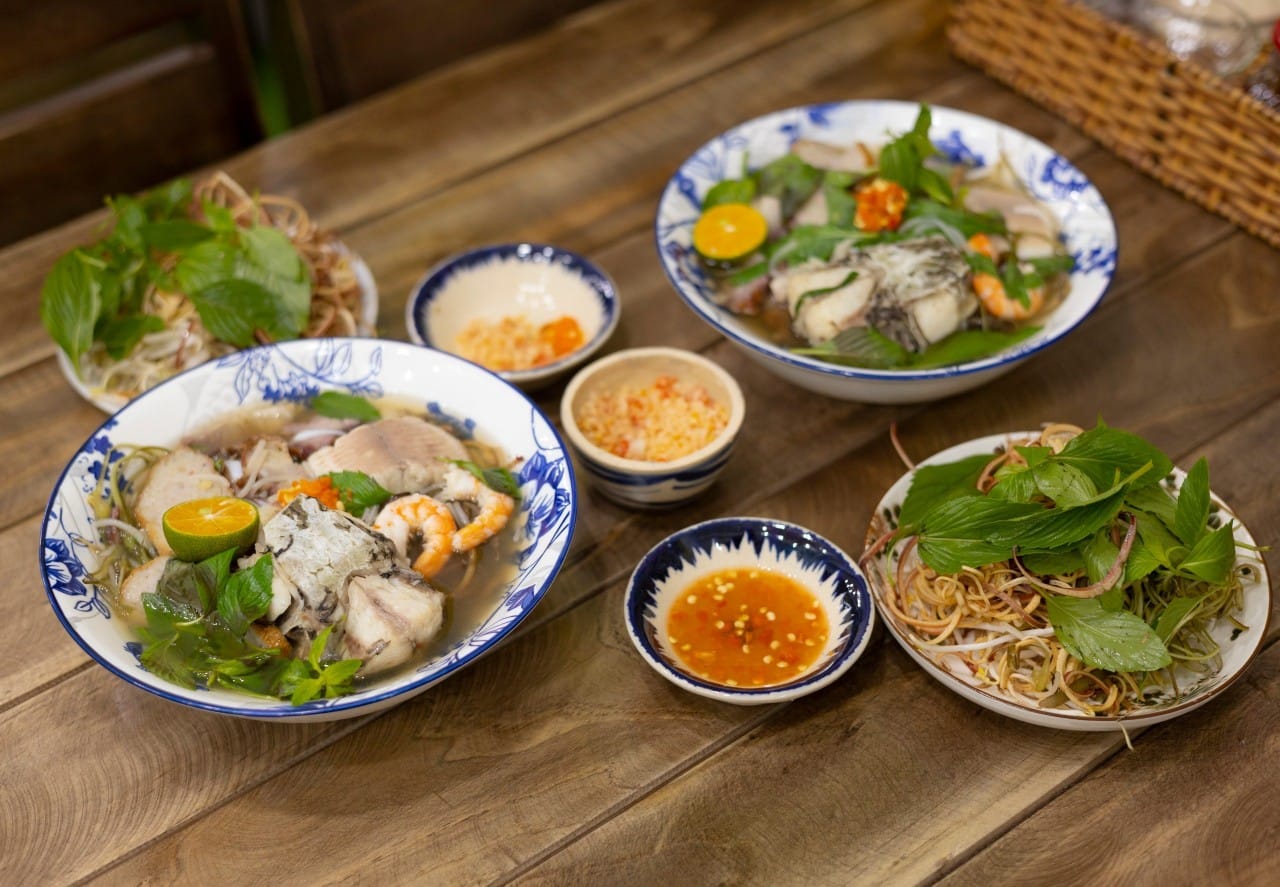
Bún nước lèo has clear roots in the food traditions of Khmer communities in southern Vietnam. Mắm bò hóc, a fermented fish condiment with an important role in Khmer cooking, is particularly relevant when tracing the flavor foundation of the dish.
Within the long-standing multicultural environment of Soc Trang, where Khmer, Kinh and Chinese communities have lived alongside one another, the noodle soup became more widely shared and developed multiple variations in seasoning, fish, meat and toppings.
It is therefore reasonable to describe the dish as part of a broader story of culinary exchange. However, individual ingredients should not be mechanically assigned to one ethnic community as though every element has a single origin.
What Is Usually Served with Bun Nuoc Leo Soc Trang?
The exact combination varies, but snakehead fish, shrimp or small prawns, roast pork and fresh vegetables are all commonly associated with versions of bún nước lèo served in the Soc Trang area.
How Do You Eat Bun Nuoc Leo Soc Trang?
Does Bun Nuoc Leo Have a Strong Fermented-Fish Aroma?
The aroma of fermented fish is an important part of the dish, but in the finished broth it is combined with fish, lemongrass, seasonings and fresh vegetables. The experience is therefore different from eating fermented fish directly.
The intensity also varies from one kitchen to another. If you are unfamiliar with fermented-fish flavors, try a few spoonfuls of broth first before adding more noodles and toppings.
Is Bun Nuoc Leo Soc Trang the Same as Bun Mam?
Both dishes can use fermented fish, so they may seem similar to someone trying them for the first time. However, their names, cultural backgrounds, broth preparation and typical accompaniments differ by region.
For bún nước lèo Sóc Trăng, its Khmer culinary influence and the local style of the Soc Trang area are important to understanding the dish, rather than simply treating it as another name for bún mắm.
