Banh Phong Tom Nam Can: Ca Mau Shrimp Crackers & Gift Guide

Ca Mau · Specialties & Gifts

Banh Phong Tom Nam Can – Shrimp Crackers from Ca Mau

Bánh phồng tôm Năm Căn, or Nam Can shrimp crackers, are among the shrimp-based specialties associated with Ca Mau in southern Vietnam. Sold in a dry form, they are convenient to carry and expand into light, crisp crackers when cooked properly.

It is important to remember that Nam Can shrimp crackers are not one standardized product. Different producers use different recipes, shrimp ratios, drying methods and packaging, so flavor, texture and ingredient lists can vary between brands.
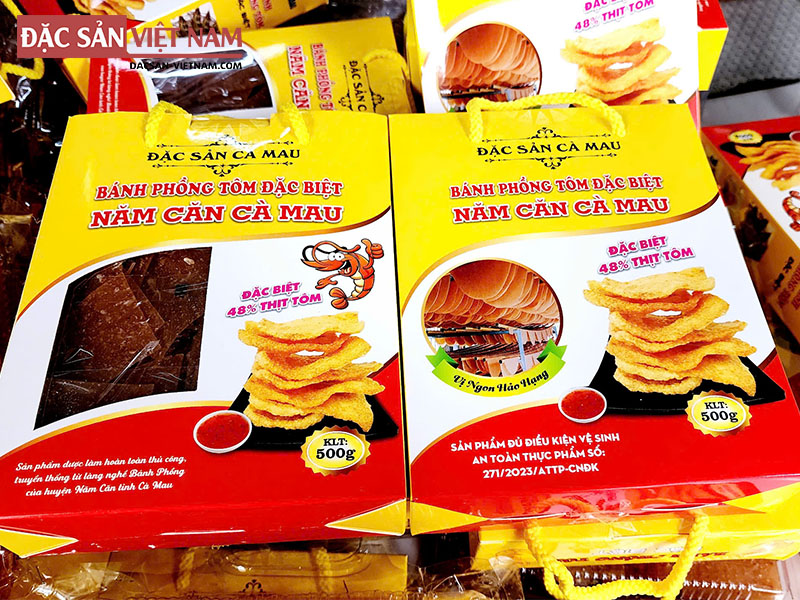
Packaged Banh Phong Tom Nam Can shrimp crackers from Ca Mau

Dry, packaged shrimp crackers are convenient to carry home as a food gift from Ca Mau.

A Local Specialty

Why Is Nam Can Known for Shrimp Crackers?

Ca Mau has a strong seafood economy, and shrimp is one of the region’s important products. From this local ingredient base, producers have developed many processed foods, including shrimp crackers.

The shrimp-cracker trade around Nam Can and Hang Vinh includes both household-scale producers and larger businesses using modern equipment. Some locally produced shrimp crackers have also participated in Ca Mau’s OCOP program.

Ingredients
Shrimp is combined with starches and seasonings to create a dry cracker that can be stored and cooked when needed.
Dry Form
The uncooked crackers are usually thin and expand rapidly when exposed to sufficient heat.
As a Gift
Their dry form, compact packaging and simple preparation make them easier to transport than many fresh seafood products.

Not One Standard Recipe

Do All Nam Can Shrimp Crackers Contain the Same Amount of Shrimp?

No. The shrimp percentage belongs to each individual product, not to Nam Can shrimp crackers as a whole.

Some products highlight their shrimp content prominently on the package, while others follow different formulations. If shrimp content matters to you, check the ingredient list and the percentage stated by the producer instead of assuming that every Nam Can product follows the same recipe.
What About a “48% Shrimp” Label?
If a specific package states that it contains 48% shrimp, that figure should be understood as information for that particular product. It should not be used as a general description of all Banh Phong Tom Nam Can.

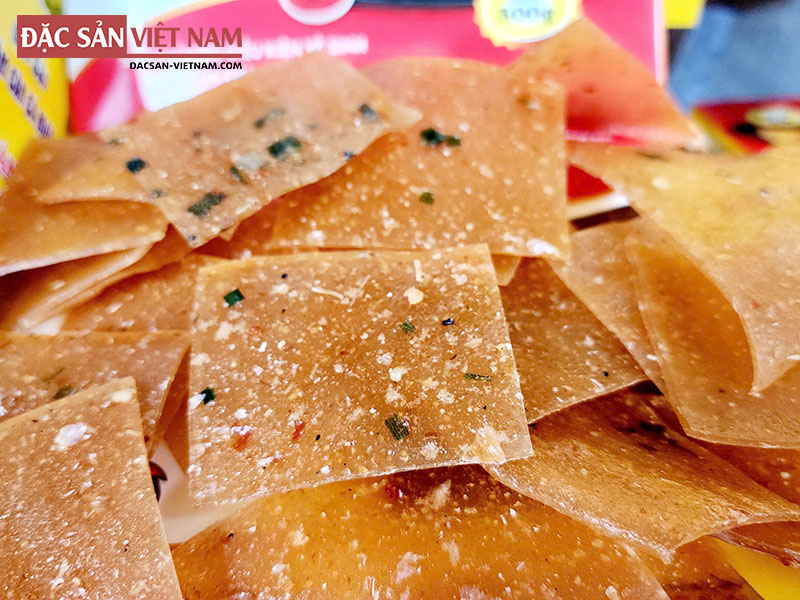
Uncooked Nam Can shrimp cracker slices before frying

Color, thickness and shape can vary between different brands and product lines.

From Shrimp to Dry Crackers

How Are Banh Phong Tom Nam Can Made?

The exact process varies by producer. In general, prepared shrimp is mixed with starches and seasonings to form the cracker mixture. After cooking and shaping, the product is cut or formed into pieces and dried before packaging.

Many steps were traditionally performed by hand. Today, some Nam Can producers use equipment for mixing, forming, drying and cutting, while other businesses continue to retain more manual stages in the production process.
General Production Process

01
Prepare the Ingredients
Shrimp is prepared before being mixed with starches and seasonings according to each producer’s formulation.

02
Cook & Shape
The mixture is cooked and shaped before being prepared for cutting or forming into individual pieces.

03
Dry the Crackers
Moisture is reduced through suitable sun-drying or mechanical drying before the crackers are packaged.

04
Package the Product
The dried crackers are sorted and packaged for transportation, storage and later preparation.

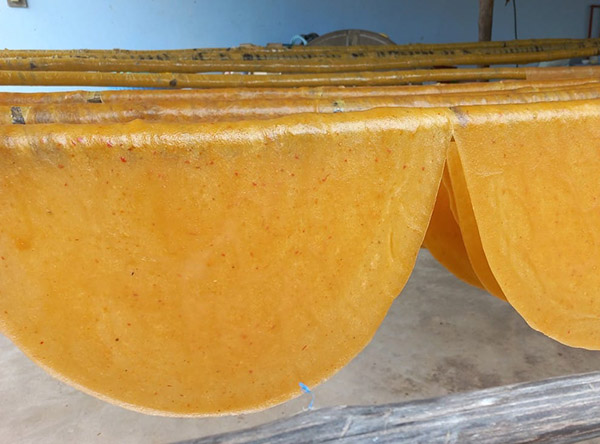
Drying process for Nam Can shrimp crackers

Drying is an important production stage; depending on the producer, crackers may be sun-dried or dried with equipment.

Choosing a Food Gift

What Should You Check When Buying Nam Can Shrimp Crackers?

Because several producers make shrimp crackers in the Nam Can area, it is more useful to check the actual package than to rely only on promotional claims on the front label.

01
Read the Ingredient List
If shrimp content matters to you, check the percentage stated by the producer instead of estimating it from the product name or color.

02
Check the Producer
The package should clearly identify the producer or business along with relevant manufacturing and contact information.

03
Check Production & Expiry Dates
Choose sealed packaging with clear production and expiry information, especially if the crackers will be carried over a long distance.

04
Verify Certifications When Claimed
Some Nam Can shrimp-cracker products have participated in the OCOP program. If a package promotes an OCOP star rating, check that the certification applies to that specific product.

How to Prepare

How Do You Eat Banh Phong Tom Nam Can?

The most familiar preparation is deep-frying the dry crackers in hot oil. They expand quickly when exposed to sufficient heat, so it is usually easier to cook a few pieces at a time and remove them as soon as they have fully puffed.

The ideal cooking temperature and time can vary according to the thickness, size and formulation of the product. If the manufacturer provides preparation instructions on the package, follow those first.
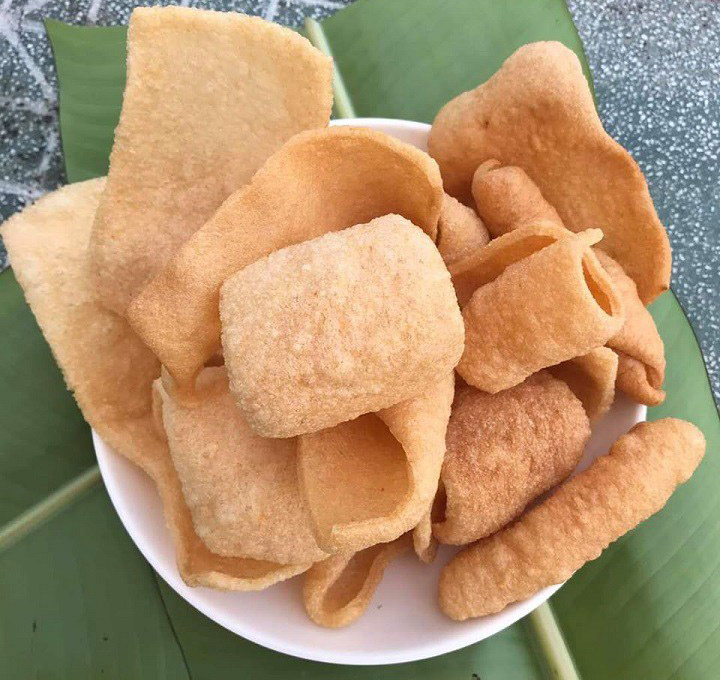
After Frying
Allow excess oil to drain before serving. Shrimp crackers can be eaten on their own as a snack or served alongside appetizers and Vietnamese salads depending on preference.

Nam Can shrimp crackers after frying and puffing

With sufficient heat, the dry crackers expand into a light and crisp texture.

Taking Them Home

How to Store Shrimp Crackers When Travelling

Uncooked crackers should be kept dry and well sealed to limit moisture absorption. When buying them as a gift, choose intact packaging and avoid placing the product in hot, humid conditions or where it may be heavily compressed in luggage.

After opening the package, follow the producer’s storage instructions and recommended use period, since packaging and formulations vary between products.

Mekong Delta Food Gifts
From Ca Mau Shrimp Crackers to Other Mekong Delta Specialties
Nam Can shrimp crackers are one example of a regional food that travels well as a gift. Other Mekong Delta specialties use very different local ingredients and textures, from coconut-based sweets to soft rice-paper snacks. Related English guides will be connected here as this gift cluster is completed.

Leave a Reply

Your email address will not be published. Required fields are marked *